
You’re not worried about the workout. You’re worried about looking like you don’t belong.
That fear keeps more people out of gyms than sore muscles ever will — surveys show 40-66% of people cite gym intimidation as a barrier to working out consistently. You’ve probably Googled “gym etiquette” expecting a list of 47 things you’ll inevitably screw up. Here’s the truth: most of those lists are overkill. The real rules? There are about six that matter. The rest is noise designed to make you feel like gyms are more complicated than they actually are.
This guide covers what actually counts, what you can stop stressing about, and how to walk into any gym in Niagara Falls — or anywhere else — without that pit in your stomach. If you’re looking for a place where etiquette stress barely exists, we’ll get to that too.
What Is Gym Etiquette (And Why Does It Exist)?
Gym etiquette is the set of unwritten rules that help everyone share space respectfully. It covers basics like returning weights to their proper spots, wiping down equipment after use, and being aware of the people training around you. These rules aren’t about judgment or gatekeeping — they exist so the gym runs smoothly and everyone gets a fair shot at the equipment they need.
Think of it like driving. You signal before you turn, not because someone’s grading you, but because it keeps traffic moving and prevents accidents. Gym etiquette works the same way. It’s not about being perfect. It’s about not making someone else’s workout harder than it needs to be.
Here’s what we see constantly after coaching hundreds of beginners: the people who get annoyed at gyms aren’t annoyed at newcomers. They’re annoyed at the guy who’s been lifting for five years and still leaves dumbbells scattered across the floor like he owns the place. Beginners who show basic awareness and make an effort? Nobody notices them. And honestly, that’s the goal — to blend in, do your thing, and leave feeling good about it.
6 Gym Etiquette Rules That Actually Matter
These are the rules that gym staff and regulars genuinely care about. Nail these six, and you’re ahead of half the people who’ve been going for years.
1. Re-Rack Your Weights
This is the big one — the rule that separates considerate gymgoers from everyone else. When you finish with dumbbells, barbells, or plates, put them back where they belong. Not “somewhere nearby.” Not on the floor. Back on the rack, in the correct spot, so the next person can find them.
Why it matters: The person after you — who might be newer and more intimidated than you are — shouldn’t have to hunt for equipment or move your weights before they can start. This single habit will make you more respected than 80% of gym regulars.
2. Wipe Down Equipment After You Use It
Most gyms have spray bottles and paper towels or sanitizing wipes stationed around the floor. Use them. A quick wipe on the bench, seat pad, or machine handles takes five seconds and makes a real difference for whoever uses it next.
Why it matters: Nobody wants to lie down in someone else’s sweat puddle. It’s basic hygiene, and it signals that you’re aware other people exist and will use this equipment after you. Skip this one and you’ll get noticed — for the wrong reasons.
3. Don’t Hog Equipment
If the gym is busy and you’re doing seven sets with long rest periods, let someone work in. “Working in” means you alternate sets with another person on the same machine or bench while you rest. It sounds awkward if you’ve never done it, but it’s completely normal and expected during peak hours.
Here’s the real issue: if you’re scrolling your phone between sets for five minutes while three people wait, you’re the problem. Rest is fine — it’s part of training. Camping on equipment while you answer texts is not. Be aware of the room. If people are waiting, speed up or offer to share.
4. Be Aware of Your Surroundings
Don’t stand directly in front of the dumbbell rack to do your curls — grab your weights and step back so others can access the rack. Don’t walk behind someone mid-lift when they’re focused and can’t see you coming. Don’t set up your workout in a high-traffic walkway where people need to squeeze past you constantly.
This one’s just spatial awareness, and it’s where a lot of beginners accidentally annoy people without realizing it. The fix is simple: pretend other people exist and might need to move around you. Do that, and you’re already ahead of most.
5. Ask Before Jumping In
If someone’s using a machine or bench you need, don’t just hover awkwardly three feet away, staring. Walk up and ask, “How many sets do you have left?” or “Mind if I work in?” It’s not confrontational. It’s expected, and most people appreciate the direct communication.
Nine times out of ten, they’ll say yes or tell you they’re almost done. Either way, you’ve handled it like an adult instead of standing around hoping they’ll read your mind. Sound familiar? Most beginners avoid this conversation out of fear, but it’s one of the easiest ways to seem like you know what you’re doing.
6. Keep Phone Use in Check
Taking a call on speaker while sitting on the only leg press machine? Don’t be that person. Filming yourself is fine if you’re quick and aware of who’s in the background. But lengthy calls, loud videos without headphones, and texting marathons between every set will earn you silent resentment from everyone nearby.
If you need your phone for music or tracking your workout, that’s completely normal. Just keep it efficient and be aware of how long you’re occupying equipment while distracted.
That’s the list. Everything else you’ve read about gym etiquette — the stuff about making eye contact, grunting too loud, clothing choices, asking for spots — falls into “situational” or “not actually a big deal.” These six rules are what actually matter.
Gym “Rules” That Don’t Matter as Much as You Think
The internet loves to overcomplicate gym etiquette, and it creates unnecessary anxiety for people who are already nervous. Here’s what trainers actually see beginners stress about that genuinely doesn’t matter:
“Everyone is watching me.” They’re not. Seriously. Surveys back this up: 75% of gymgoers say they rarely or never judge other people at the gym, despite the fact that most beginners assume the opposite. After years of coaching people through their first weeks at the gym, we can tell you: most people are locked into their own workout, their own headphones, their own mental checklist. The guy in the corner doing bicep curls is not analyzing your squat form. He didn’t even notice you walk in. You’re not on stage — you’re background noise, just like everyone else.
“I need to know how every machine works before I go.” No, you don’t. It’s completely fine to look at the instructional placard on a machine and figure it out in real time. It’s fine to skip equipment you don’t understand and come back to it later. It’s fine to ask someone — staff or a fellow gym-goer — for a quick pointer. Nobody expects you to arrive as an expert. If you’re nervous about not knowing what to do, check out our guide on what to do your first time at the gym.
“I can’t rest between sets or I’ll look lazy.” Rest is part of training — it’s literally how your muscles recover enough to do the next set effectively. Sitting on a bench for 60-90 seconds between sets isn’t loafing. It’s what certified trainers from NSCA and ACE actually recommend for most strength and muscle-building work. The only problem is resting for five minutes while others are waiting for that equipment. Rest intentionally, stay aware, and you’re fine.
“I have to follow a perfect workout or people will judge me.” Nobody is tracking your routine or grading your exercise selection. If you do 20 minutes of treadmill and leave, that’s a workout. If you wander between machines figuring things out, that’s fine too. Consistency beats perfection every single time. The person who shows up three times a week with a mediocre plan will outpace the person who waits until they have the “perfect” routine.
The real etiquette isn’t a long list of dos and don’ts. It’s a mindset: be aware of shared space, clean up after yourself, and don’t make other people’s workouts harder. That’s it. Everything else is noise.
What If You Break a Rule? Here’s What Happens
You’ll forget to wipe down a bench. You’ll accidentally leave a plate on a barbell. You’ll walk behind someone mid-squat without realizing they were there. It happens to everyone, including people who’ve been training for decades.
Here’s what actually happens when you mess up: almost nothing.
Someone might give you a look. More likely, they’ll just fix it themselves and move on with their workout. Nobody’s keeping a grudge list. Nobody’s going to confront you unless you’re being genuinely disruptive on a repeated basis. Gyms aren’t high school cafeterias — people are too focused on their own training to care about your minor slip-ups.
The worst thing you can do is let fear of mistakes keep you from going at all. Everyone who’s been at this a while has broken etiquette at some point. The gym doesn’t have a permanent record, and nobody’s tracking your errors in a spreadsheet.
If you realize you messed up, just fix it. Re-rack the weight you forgot. Wipe the bench after the fact. A quick “my bad” goes a long way if someone’s actively waiting. Then let it go and finish your workout. If gym anxiety is what’s really holding you back, you’re not alone — here’s how to get past being scared to go to the gym.
How a Private Gym Changes the Etiquette Equation
Here’s something most etiquette guides won’t tell you: the environment matters more than memorizing rules.
At a crowded big-box gym during peak hours, etiquette becomes high-stakes. Machines are limited. Patience runs thin. The unwritten rules feel like a minefield because the space is genuinely strained and everyone’s competing for the same equipment at the same time.
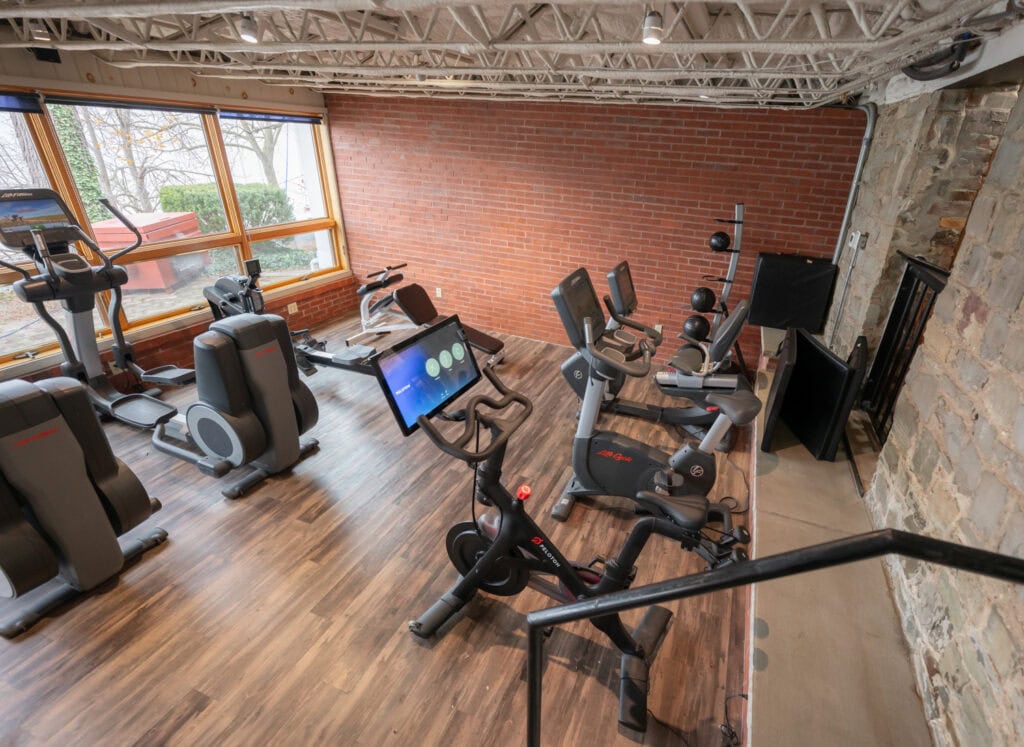
At a private gym with 24/7 access and capped membership? Most of this stress simply disappears. The math changes when you’re not fighting for equipment.
Here’s how the experience compares:
| Factor | Crowded Big-Box Gym | Private Gym (Like Apex) |
|---|---|---|
| Equipment wait times | 5-15 min during peak hours | Rarely any wait |
| Need to “work in” with strangers | Frequently required | Almost never necessary |
| Feeling watched or judged | Common, especially for beginners | Minimal — fewer people, familiar faces |
| Pressure to rush through sets | High during busy hours | Low — train at your own pace |
| Access to coaching/guidance | Usually an upsell, often unavailable | Built into the model |
| Hours of operation | Limited (often 5am-11pm) | 24/7, train whenever you want |
| Etiquette stress level | High — lots of unwritten rules | Low — smaller community, less friction |
At Apex, for example, you’re not competing for equipment or space. There’s no rush. No crowd silently judging your form at 6 PM when everyone’s crammed in trying to get their workout done before dinner. You train when you want, at your own pace, often with only a handful of people around — or no one at all.
That’s not a free pass to be inconsiderate. The basics still apply: wipe your equipment, put things back, be respectful. But the pressure that drives most etiquette anxiety? It’s gone. If gym anxiety has kept you from starting, a smaller, non-intimidating environment changes the equation entirely.
Your First Week: Keep It Simple
You don’t need to memorize a rulebook or watch hours of YouTube tutorials before your first visit. Here’s what actually matters for your first few sessions:
Show up. That’s the hardest part, and everything else is manageable once you’re through the door. If you need a push to finally get started, here’s how to start going to the gym even if you’ve never been.
Put things back where you found them. Weights, benches, cable attachments, yoga mats. If you moved it, return it. This single habit handles most of what people mean when they talk about gym etiquette.
Wipe what you sweat on. Quick pass with a towel or the provided spray and paper towels. Takes seconds, makes a difference, signals you’re a considerate person.
Don’t overthink it. You’re there to get stronger and feel better, not to perform etiquette perfectly for an invisible audience. Most people are too focused on their own workout to notice yours. And frankly, even if they did notice you, they’d forget about it thirty seconds later.
The goal isn’t to be invisible. It’s to be unremarkable — in the best possible way. Someone who shows basic respect, does their thing, and leaves. That’s 90% of gymgoers on any given day, and there’s no reason you can’t be one of them starting this week.
If you want a place where the etiquette stress is minimal, the coaching is built in, and you’re not fighting for equipment, come see what Apex looks like. Private gym, 24/7 access, trainers who actually know your name. No crowds, no waiting, no judgment.
Want to skip the etiquette stress entirely? Tour Apex — private, 24/7, no crowds.