Mike had been a YMCA member for three years. Every Tuesday and Thursday after work, he’d drive to the Niagara Falls Family YMCA on Main Street, circle the parking lot for ten minutes looking for a spot, then wait another fifteen for an open squat rack. By the time he actually started lifting, half his motivation was gone. Sound familiar?
According to fitness industry data, nearly 50% of gym members quit within their first six months. The reasons aren’t laziness or lack of willpower. Research from the International Health, Racquet & Sportsclub Association shows that 41% of people cancel because of price concerns while 23% cite lack of time. But here’s what those numbers don’t capture: the frustration of paying for amenities you never use, the awkwardness of navigating crowded locker rooms, and the reality that “community fitness” often means competing with 200 other people for the same equipment.
For adults in Niagara Falls and Western New York looking for YMCA Niagara Falls alternatives, the math is starting to change. Private gyms with 24/7 access, included personal training, and no annual contracts are pulling members away from traditional community centers. And once you understand why, the decision becomes obvious.
Why the YMCA Isn’t Built for Busy Adults
Let’s be clear about something. The YMCA does good work. Their youth programs, swimming lessons, and community outreach serve real needs in Niagara County. Families with young kids benefit from childcare options and summer camps. Seniors on fixed incomes can access subsidized memberships through programs like SilverSneakers. The YMCA Buffalo Niagara serves over 100,000 people annually across six branches, and that matters.
But here’s the thing nobody talks about: the YMCA model was designed around families and community programming, not around helping working adults get actual fitness results.
Think about what you’re paying for with a standard YMCA membership. The current rates at YMCA Buffalo Niagara run $49 per month for individuals earning over $70,000 annually, or $80 for a family membership. That sounds reasonable until you realize what’s bundled into that price. You’re subsidizing the pool you don’t swim in. You’re covering the basketball courts your kids don’t use. You’re funding the childcare center you’ve never stepped foot in.
Meanwhile, the weight room is packed at 5:30 PM because every other working adult in Niagara Falls had the same idea. The treadmills have a fifteen minute time limit during peak hours. And the “free” personal training consultation you were promised? That’s actually a sales pitch for sessions that cost extra.
The hours don’t help either. Most YMCA locations operate on schedules that assume you work a standard 9-to-5. If you’re a nurse at Niagara Falls Memorial, a dealer at Seneca Niagara Casino, or anyone else working irregular shifts, you’re out of luck. The doors close when you need them most.
What to Look for in a YMCA Niagara Falls Alternative
When adults in WNY start searching for alternatives to the YMCA, they usually want three things. First, they want flexibility, meaning access that fits their actual schedule rather than forcing them to rearrange their life around gym hours. Second, they want results, which requires either serious self knowledge or professional guidance. Third, they want value, paying for what they’ll actually use instead of subsidizing programs designed for other people.
The problem is that most commercial gyms fail on at least one of these criteria. Planet Fitness offers low prices but limited equipment and a culture that actively discourages serious training. LA Fitness provides more options but locks you into annual contracts and charges extra for everything from towels to classes. Crunch Fitness markets itself as judgment free while still operating on the big box model of cramming as many members as possible into inadequate space.
Private training gyms flip this equation. Instead of maximizing membership numbers, they limit capacity to ensure equipment availability. Instead of treating personal training as an upsell, they build coaching into the membership structure. Instead of restricting hours to reduce staffing costs, they provide round the clock access through secure entry systems.
The difference shows up in retention statistics. Traditional health clubs average around 60% annual retention, meaning 40% of their members quit every year. Personal training studios average closer to 80% retention. That gap exists because people who receive structured guidance and accountability actually see results, and people who see results keep showing up.
Private Gyms vs. Community Centers: A Real Comparison
Numbers tell a clearer story than marketing copy. Here’s how a private gym like Apex Personal Fitness stacks up against the YMCA model for working adults in Niagara Falls.
| Feature | YMCA Buffalo Niagara | Private Training Gym |
|---|---|---|
| Monthly Cost | $49-80 | $45-140 |
| Hours | Limited (varies by location) | 24/7/365 |
| Personal Training | Extra fee ($50-80/session) | Included in membership |
| Contract Required | Annual commitment typical | Month to month |
| Crowd Level | High during peak hours | Private or semi-private |
| Equipment Wait Times | 10-20 minutes common | Rarely any wait |
| Pool Access | Yes | No |
| Youth Programs | Yes | No |
| Recovery Amenities | Basic | Infrared sauna, red light therapy |
The comparison reveals a fundamental tradeoff. Community centers offer breadth: pools, courts, childcare, classes. Private gyms offer depth: coaching, equipment access, flexibility, results focused programming.
For a parent with three kids who wants to swim while the children attend summer camp, the YMCA makes perfect sense. For a 35 year old professional who wants to lose twenty pounds and build strength without fighting for equipment at 6 AM, that same membership becomes an expensive compromise.
24/7 Access Changes Everything for Working Professionals
Here’s a statistic that should bother every gym owner in Niagara County: research shows that 50% of new gym members quit within their first 90 days. The primary reasons include lack of motivation, feeling out of place, and inability to establish a consistent routine.
Notice what’s missing from that list? Equipment quality. Training programs. Facility cleanliness. People don’t quit because the gym itself is bad. They quit because they can’t make it work with their actual lives.
Twenty four hour access solves most of the logistical barriers that kill gym habits. Working a double shift at the casino? Hit the gym at 2 AM when you get off. Kids have soccer practice until 7 PM? Train at 8:30 once they’re in bed. Flying out for work on Monday morning? Get your session in on Sunday night.
The psychology matters too. Crowded gyms create anxiety for beginners and frustration for experienced lifters. When you walk into a private facility at 5:30 AM and find yourself alone with perfectly available equipment, the entire experience changes. There’s no self consciousness about learning new movements. No pressure to rush through sets because someone’s waiting. No ambient stress from packed cardio sections and clanging weights.
At Apex Personal Fitness locations in Niagara Falls and Youngstown, members access the facility through a secure app based system. You scan in, train on your schedule, and leave when you’re done. No staffing limitations. No holiday closures. No excuses.
Personal Training Without the Extra Fees
The research on personal training effectiveness is remarkably consistent. A study in the Journal of Sports Science and Medicine found that supervised training improved fitness levels by up to 57% compared to self directed exercise. Another study published in 2024 compared three groups: people training alone, people training with a partner, and people working with a personal trainer. Only the personal trainer group showed measurable fat loss. The trainer group also gained nearly twice the strength and improved aerobic fitness by eight times more than the solo exercisers.
These results make sense when you think about what trainers actually provide. They correct form errors that limit progress and cause injuries. They adjust programming based on individual response. They provide accountability that keeps people showing up on days when motivation fails. They answer questions about nutrition, recovery, and lifestyle factors that impact results.
At most gyms, including the YMCA, personal training costs extra. Sessions typically run $50 to $80 each, purchased in packages that expire if unused. A twice weekly training commitment adds $400 to $640 per month on top of your membership fee. For many people, that price point puts professional guidance completely out of reach.
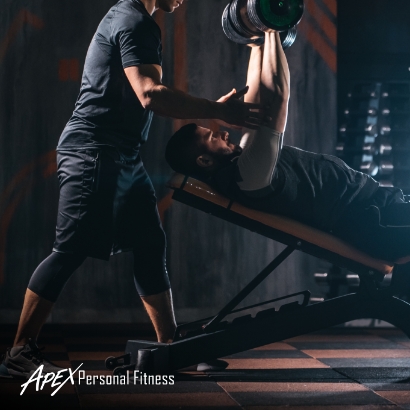
Private training gyms operate differently. At Apex, personal training membership runs $140 per month and includes regular coaching sessions as part of the package. You’re not nickel and dimed for every interaction with a trainer. You’re not pressured into buying session bundles. The coaching is built into the model because the business only succeeds when members actually get results.
This structural difference explains the retention gap between traditional gyms and personal training studios. When your business model depends on members showing up and making progress, you design everything around that outcome. When your business model depends on collecting monthly fees from people who signed annual contracts in January and stopped coming by March, you design around a very different set of incentives.
How to Make the Switch Without Losing Momentum
Changing gyms feels risky when you’ve finally established a routine. What if the new place doesn’t work out? What if you lose the habits you’ve built? These concerns are valid, but they shouldn’t trap you in a situation that isn’t serving your goals.
Is a private gym right for me?
Ask yourself three questions. First, are you actually using what you’re paying for at your current gym? If you haven’t touched the pool in six months, haven’t attended a group class since February, and haven’t used the basketball courts ever, you’re paying for amenities that provide zero value. Second, are you making progress toward your fitness goals? If you’ve been stuck at the same weight, same strength levels, and same body composition for a year or more, something needs to change. Third, is scheduling workouts a constant source of stress? If you regularly skip sessions because the gym is too crowded, the hours don’t work, or you can’t find parking, your environment is working against you.
What should I look for when visiting a private gym?
Start with the basics. Tour the facility during the time you’d actually train. If you plan to work out at 6 PM, don’t visit at 10 AM when the place is empty. Ask about cancellation policies and contract terms. Any gym confident in its value won’t lock you into a year long commitment. Meet the trainers and ask about their certifications, experience, and coaching philosophy. A good trainer should ask you questions about your goals, injury history, and training background before trying to sell you anything.
How do I transition without losing my routine?
The cleanest approach is to overlap memberships for two weeks. Keep your YMCA access active while you try out the new facility. Train at both places and pay attention to how each session feels. Which environment makes you want to show up? Which one leaves you energized rather than frustrated? The answers usually become obvious fast.
For Niagara Falls residents considering YMCA alternatives, Apex Personal Fitness offers a straightforward way to explore the difference. No high pressure sales tactics. No complicated contracts. Just a conversation about your goals and a chance to see whether private, coach led training fits what you’re looking for.
The Bottom Line on YMCA Niagara Falls Alternatives
The YMCA serves an important role in communities across Western New York. Their youth programs, family services, and subsidized access for low income residents fill genuine needs. For people who want a community center experience with pools, courts, and group programming, the Y delivers real value.
But for working adults who want to get stronger, lose weight, and build sustainable fitness habits, the YMCA model has fundamental limitations. Crowded facilities. Restricted hours. Personal training treated as an expensive add on rather than a core service. A pricing structure that bundles amenities most adults never use.
Private training gyms exist specifically to solve these problems. Twenty four hour access eliminates scheduling barriers. Included coaching provides the accountability and expertise that drive actual results. Month to month memberships mean you stay because it’s working, not because you’re locked into a contract.
Research consistently shows that people who train with professional guidance see dramatically better outcomes than those who go it alone. Studies show 57% greater fitness improvements with supervised training. Personal training clients gain twice the strength and lose twice the fat of solo exercisers. Retention rates at coaching focused facilities run 20 percentage points higher than traditional gyms.
If you’re a busy adult in Niagara Falls, Lewiston, Youngstown, Wheatfield, or anywhere else in Niagara County, and you’re tired of paying for a gym experience designed around someone else’s needs, YMCA Niagara Falls alternatives exist. The question isn’t whether private gyms offer a better fit for results focused adults. The research already answered that. The question is whether you’re ready to stop compromising and start training in an environment built around your success.
Book a consultation at Apex Personal Fitness and see what training without the crowds, contracts, and compromises actually feels like. Your goals deserve better than a waitlist for the squat rack.